
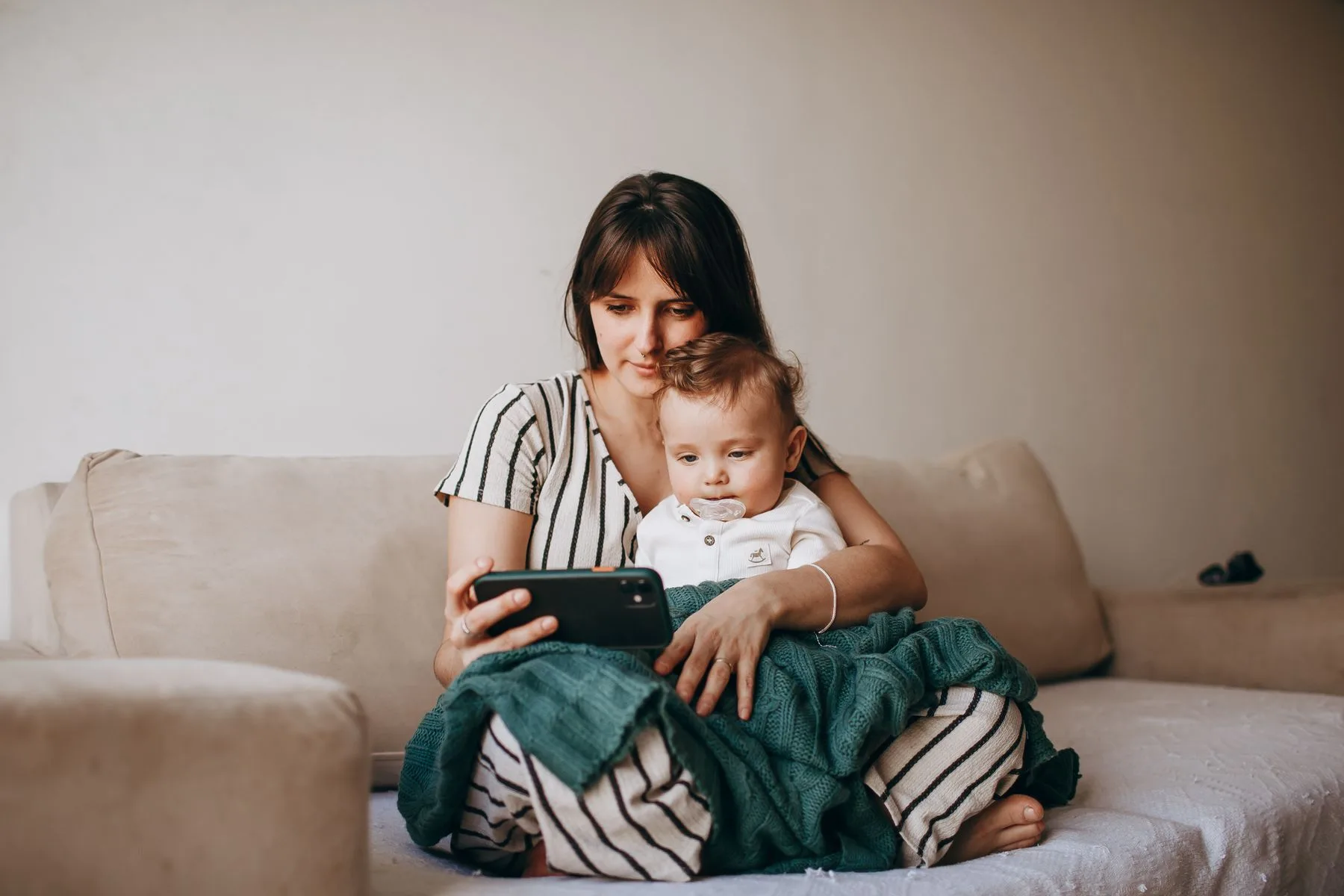
How can I predict the next wake window?
Understand wake windows, read phase-based references, and use logged rhythm to predict the next moment.
Practical guides to help you understand your baby's rhythm, anticipate the next sleep window, and adjust the rest of the day as the routine changes.
Understand wake windows, read phase-based references, and use logged rhythm to predict the next moment.
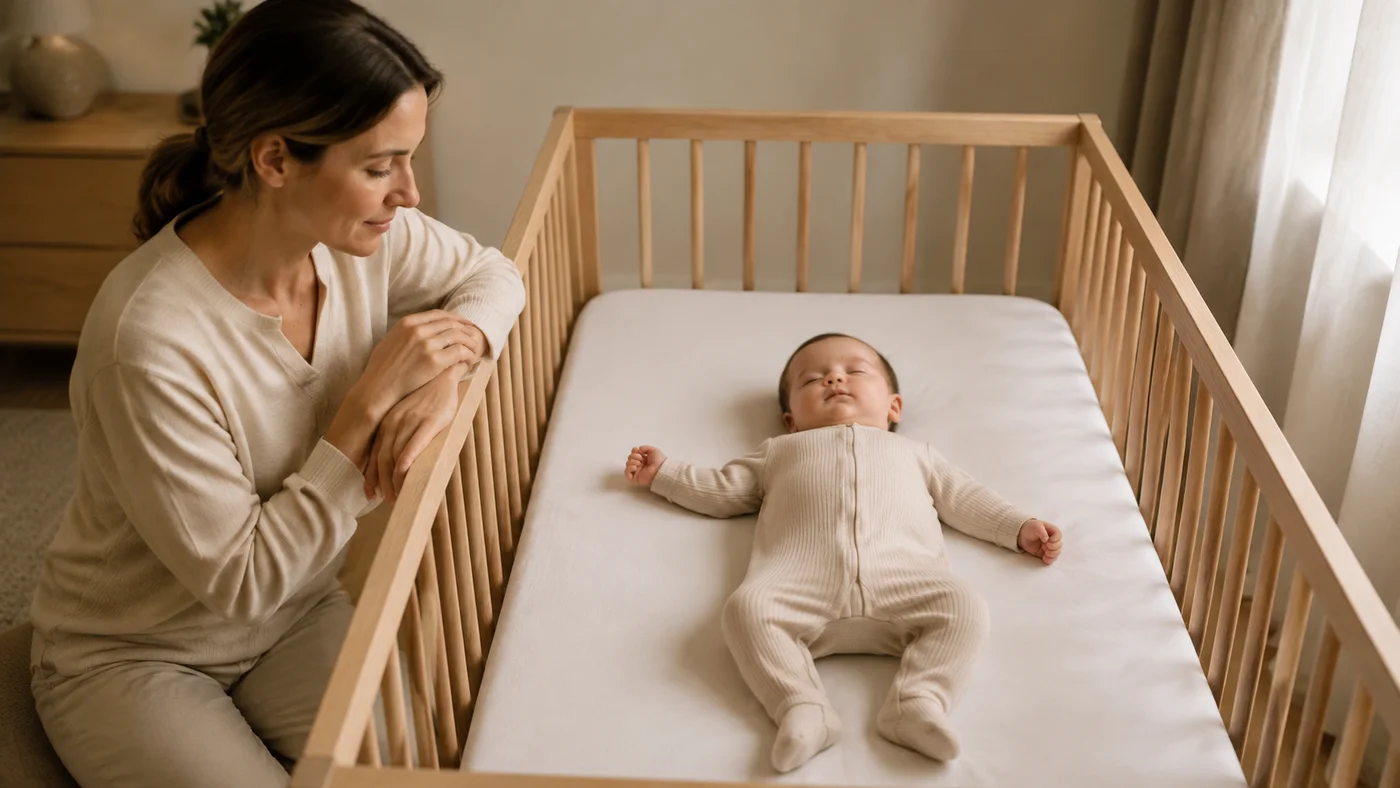
A practical guide to observing your routine, organizing naps, and finding more clarity in the real day.
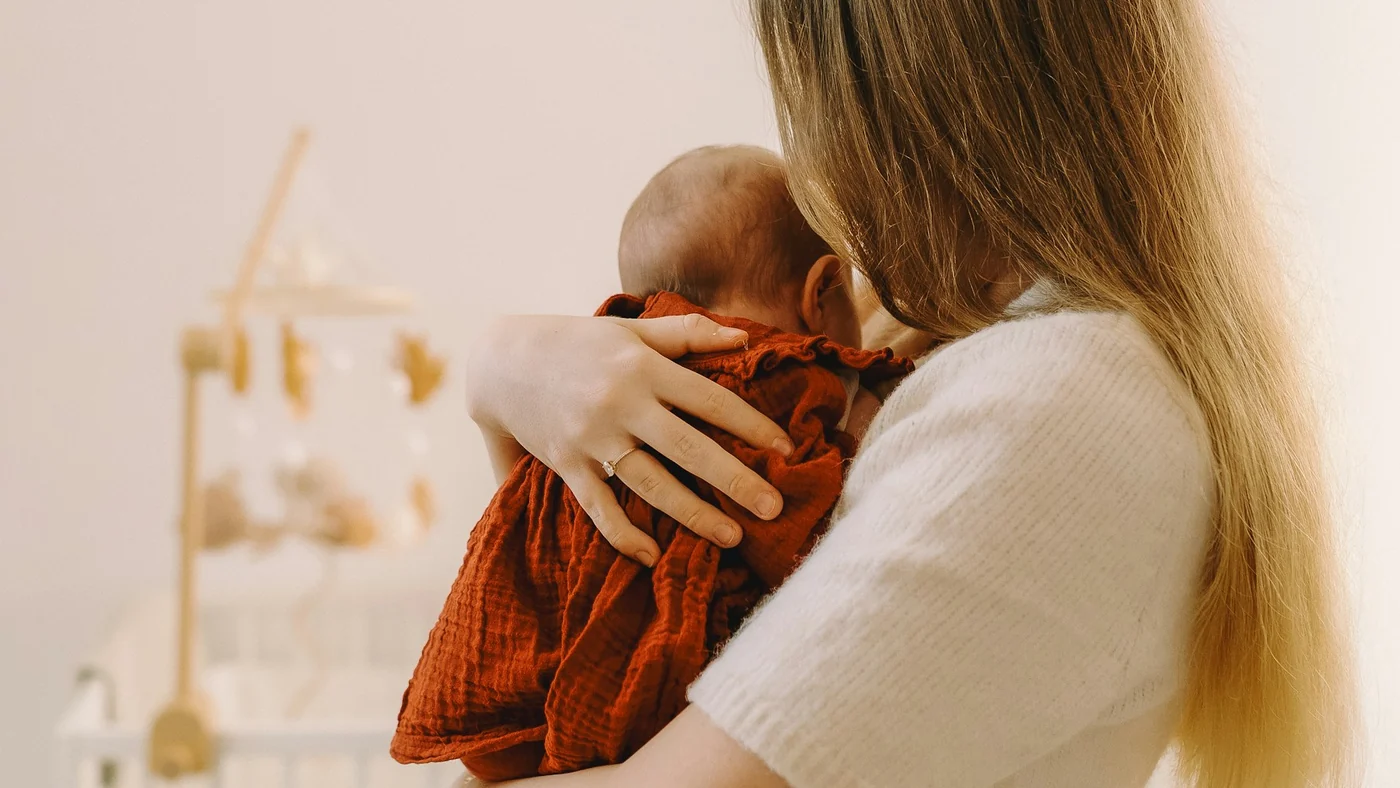
Learn how to turn what you observe during the day into a flexible, predictable routine that fits your baby.
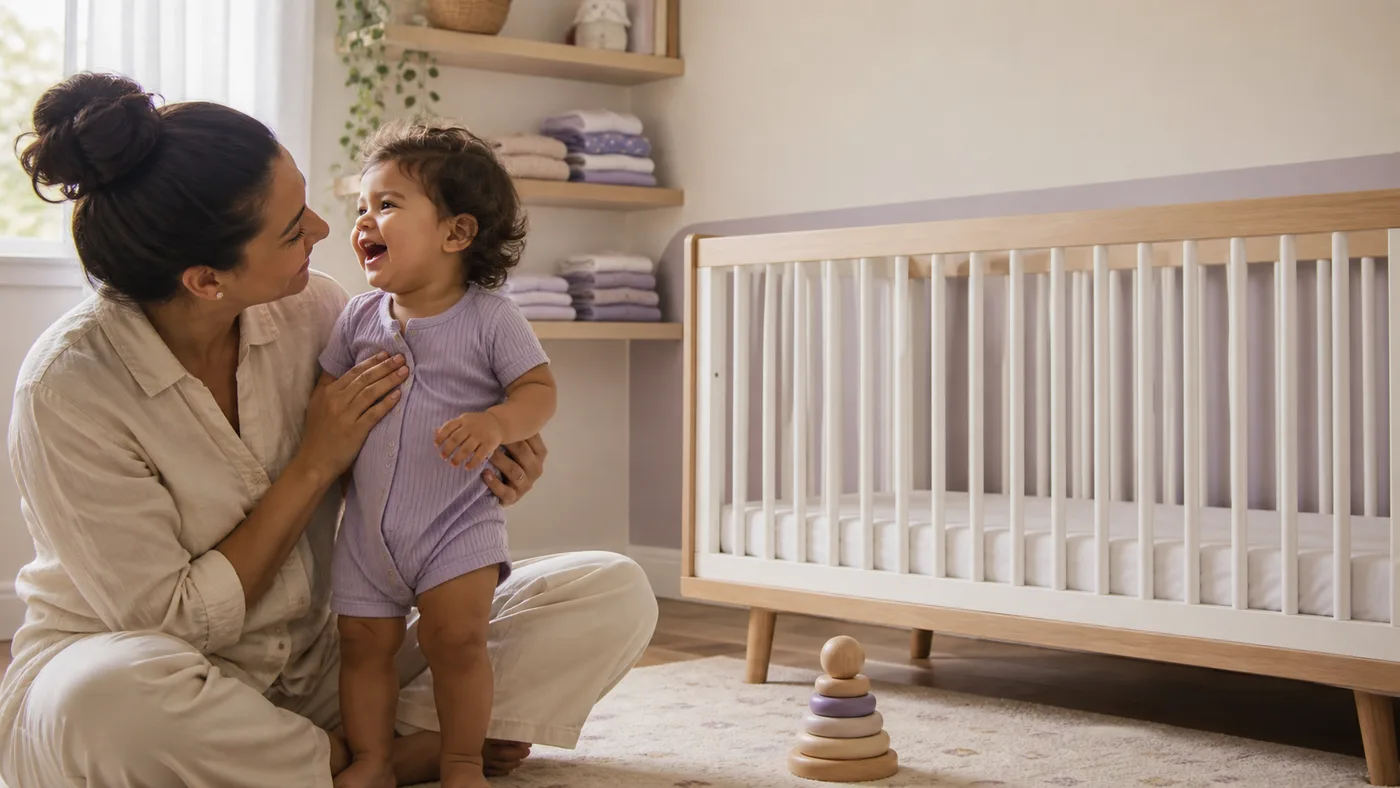
Use broad total-sleep references without turning age into a rigid schedule for your baby.
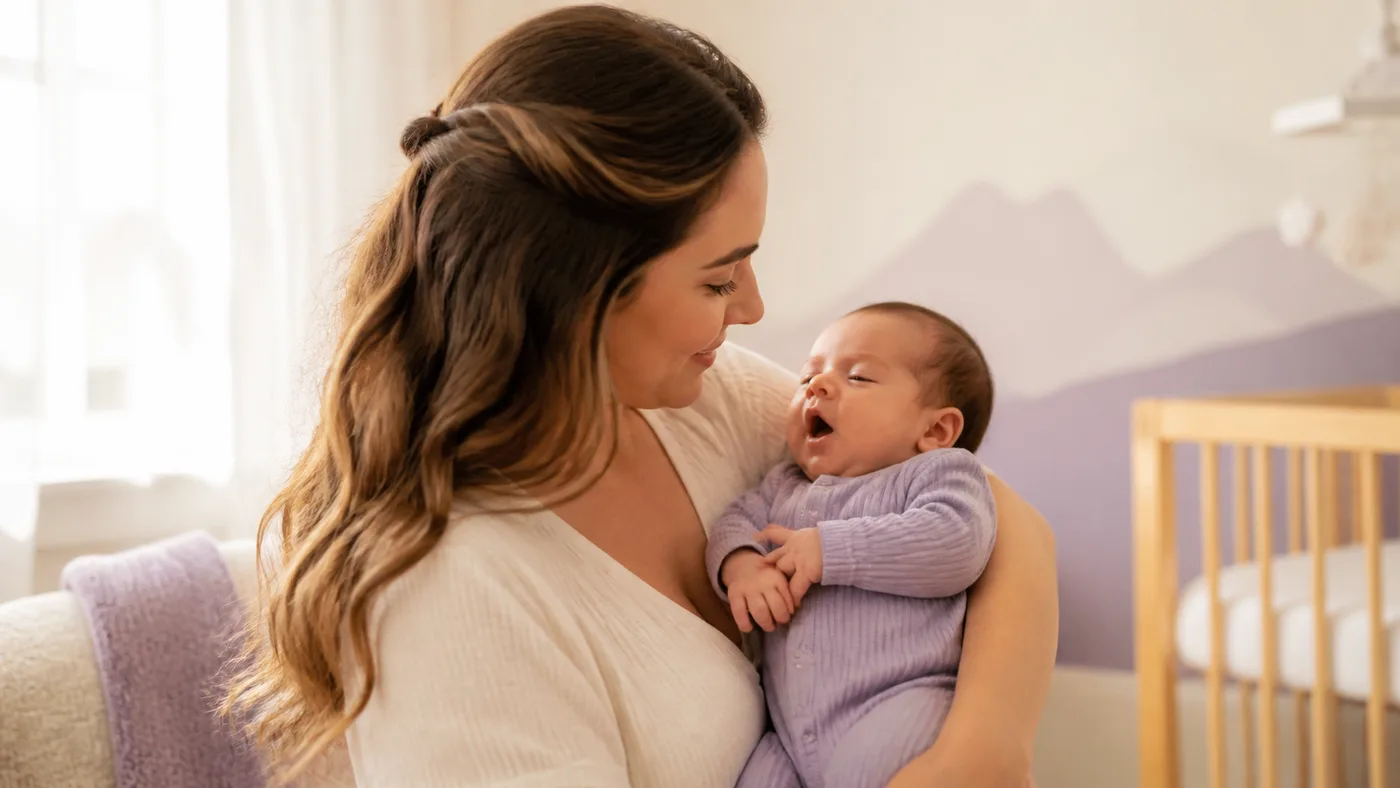
Learn to notice early and late sleep cues without turning one behavior into a diagnosis.
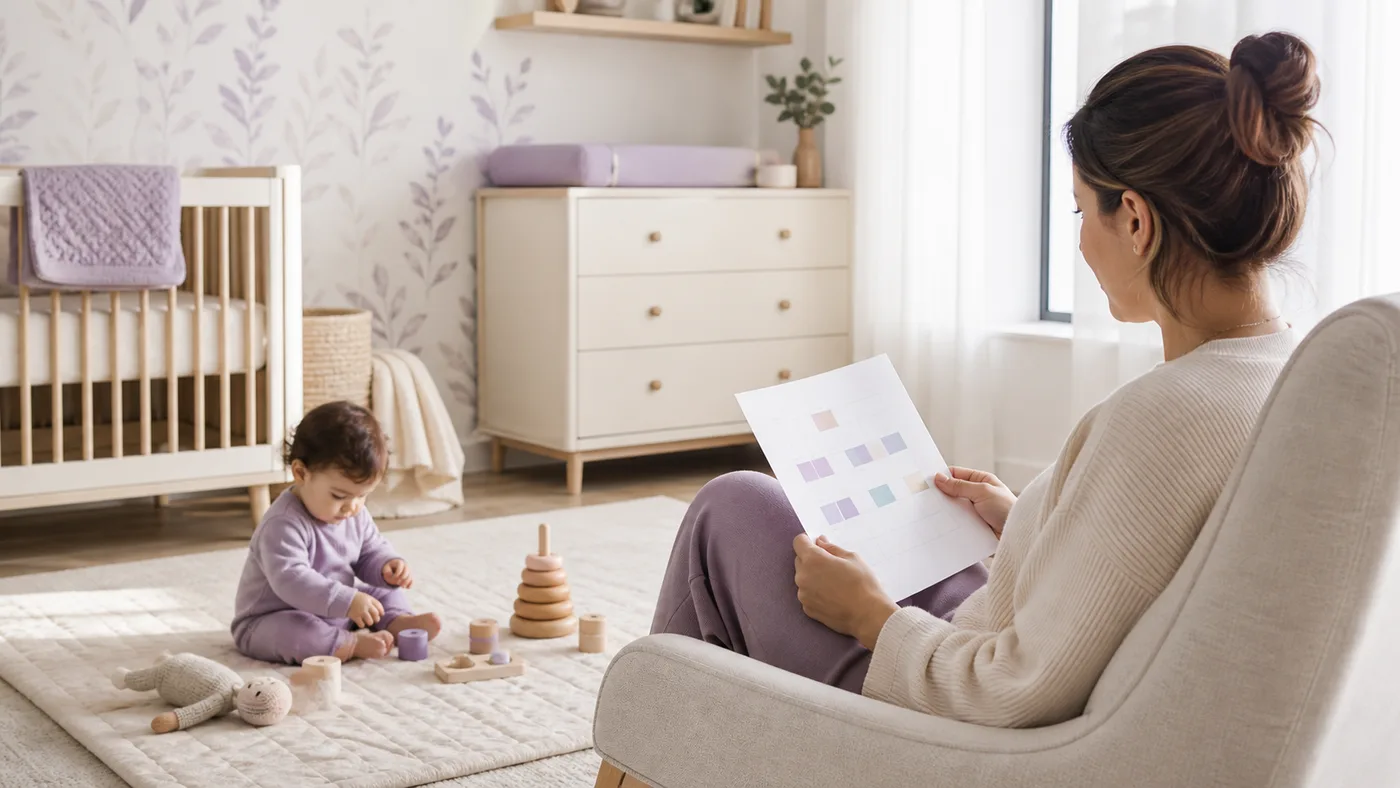
A guide to observing changes from three naps to two, or two to one, without relying on a rigid age.

Learn how to observe a refused nap without turning one unusual day into a new rule.
Learn what to notice when a nap ends quickly and how to adjust the rest of the day without forcing a duration.

A calm way to observe context, cues, and transitions when a nap becomes a struggle in the middle of the day.
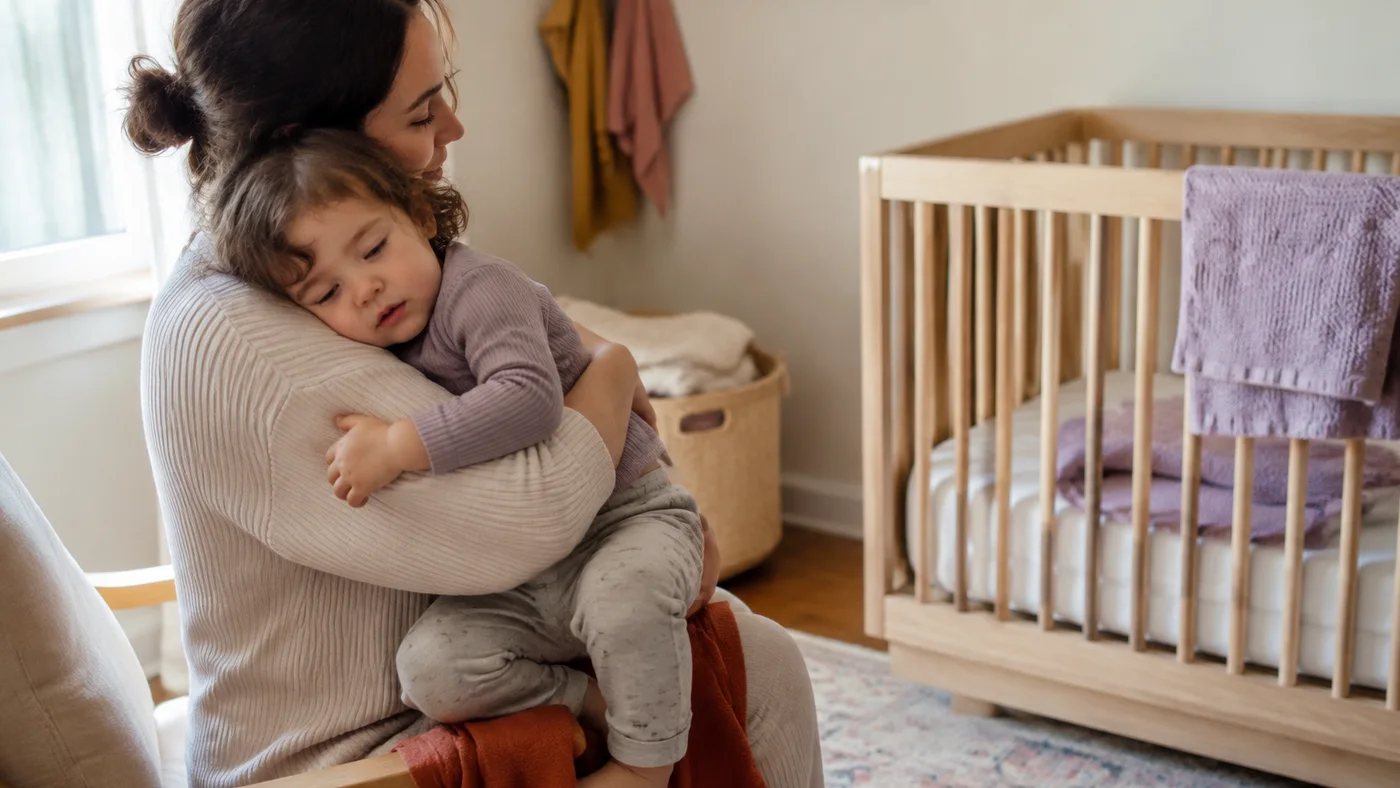
Learn why nap count changes and how to look at total sleep, cues, and transitions without chasing one required number.
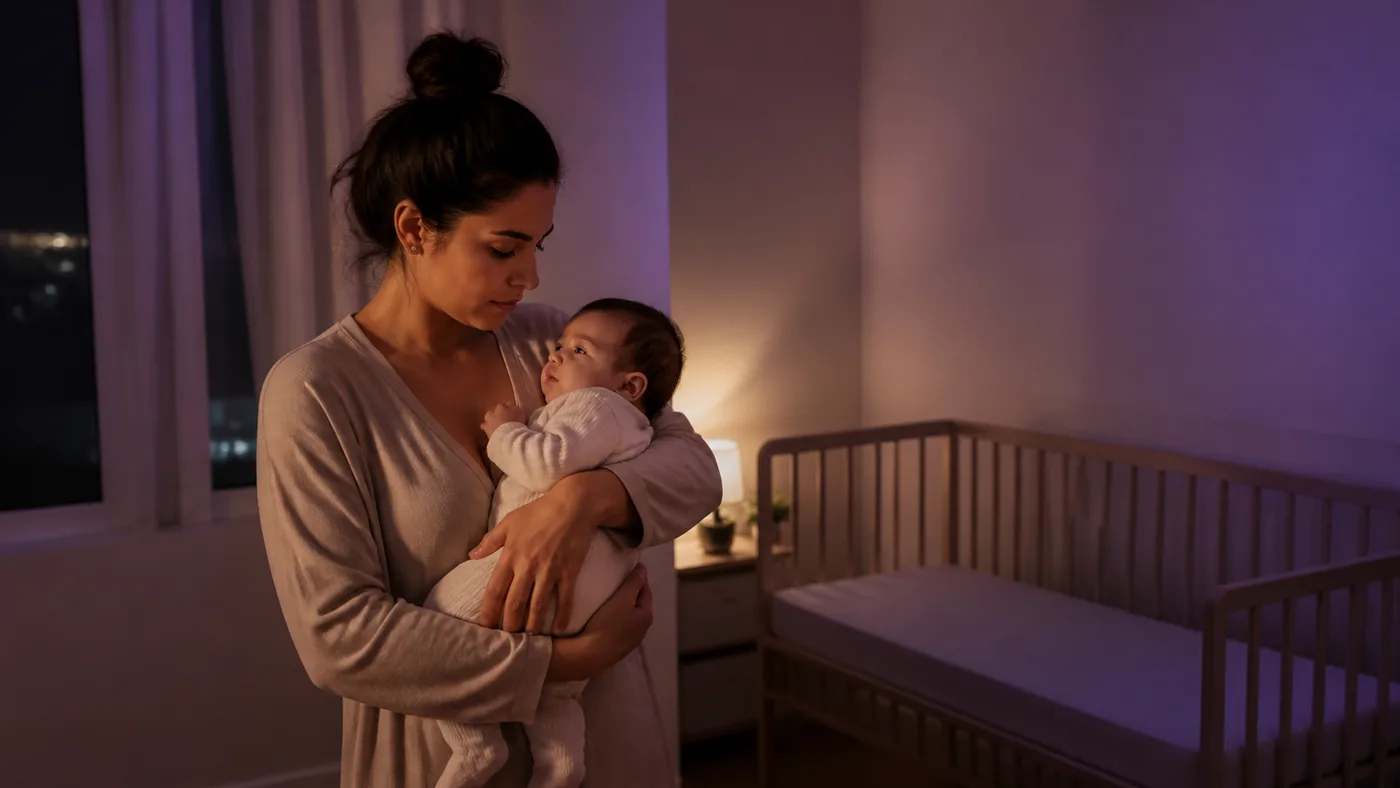
Understand this popular term with care and observe temporary changes without turning variation into a diagnosis.
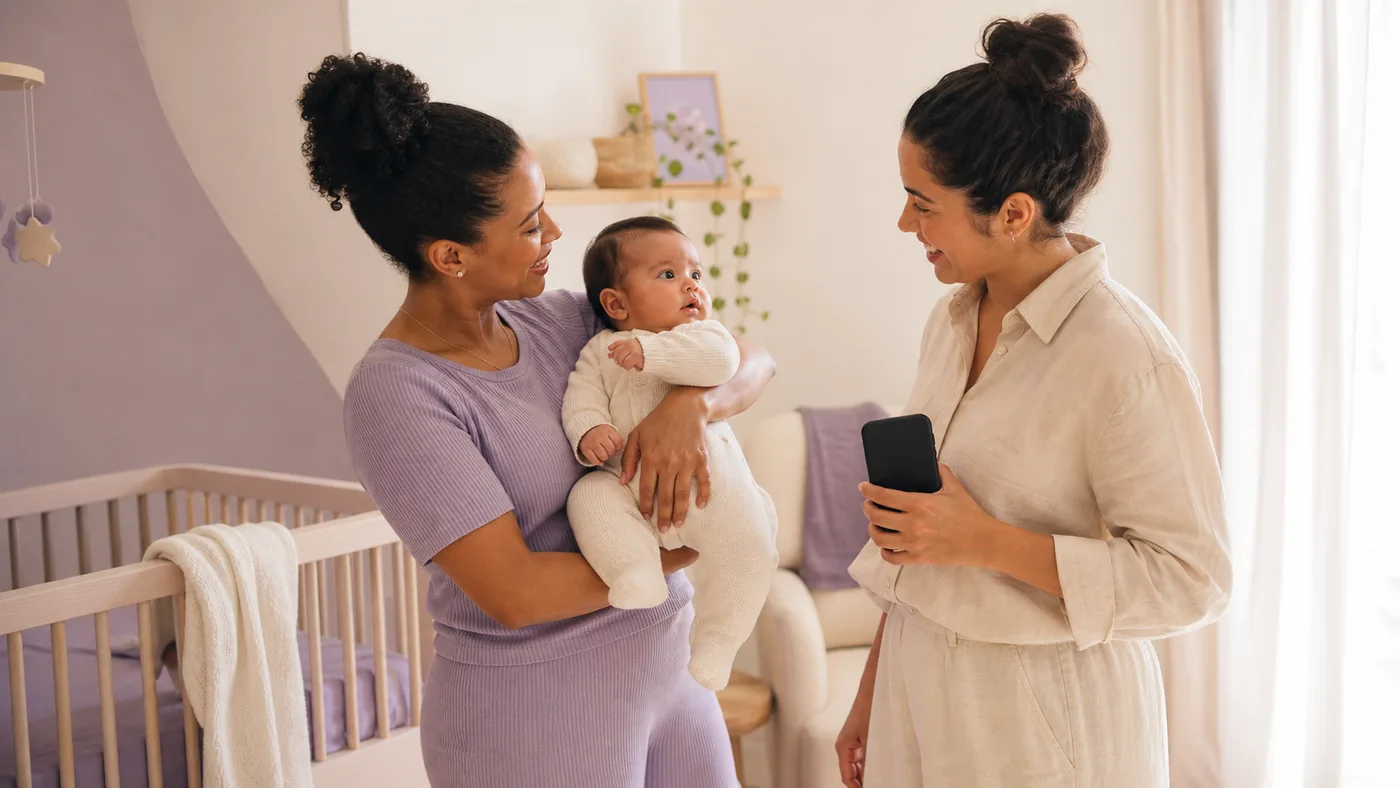
Create simple agreements so more than one person can follow the baby without requiring everyone to do everything identically.
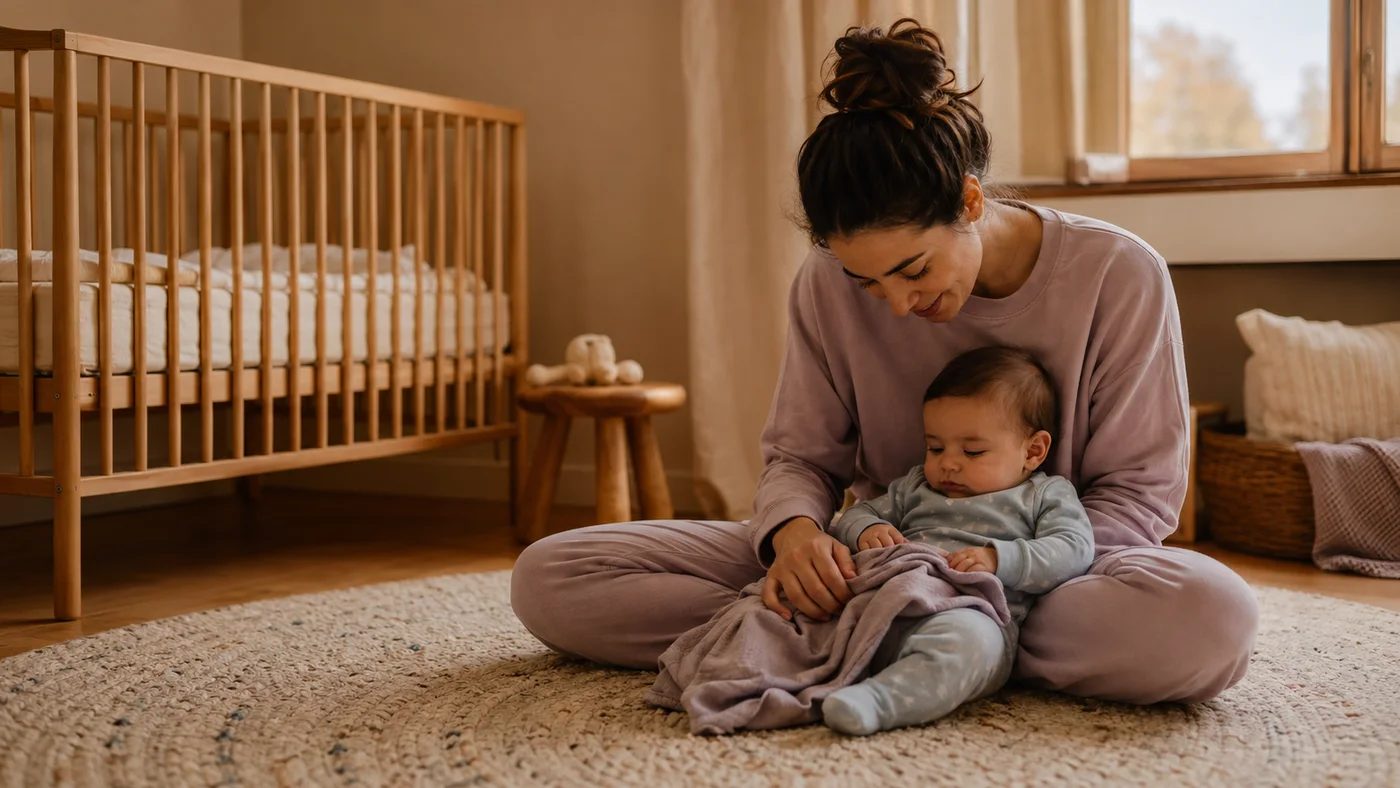
Compare apps by privacy, logging, and personalization without confusing a tool with clinical guidance.
Sonequinha is an iOS baby-sleep app for ages 2 to 24 months. Log naps and wakes, follow sleep history, and see estimates that recalculate when the real day changes.
Sonequinha offers a 3-day free trial when that offer is shown to you. Before subscribing, check the price and billing interval in the app subscription flow and Apple's purchase confirmation.
Start by logging wakes and naps, following the next-moment estimate, and updating the day when real sleep happens. History and shared routine help the family keep context together.
Record the date, wake-up, observed sleep start and end, and the day’s context; then separate facts from estimates.
Compare an app and a spreadsheet with a practical trial focused on logging, privacy, collaboration, and continuity.
Understand the difference between an observed event and an estimate through a clearly fictional sequence where the real nap end changes the next anchor.