Naps
Why does my baby refuse a nap?
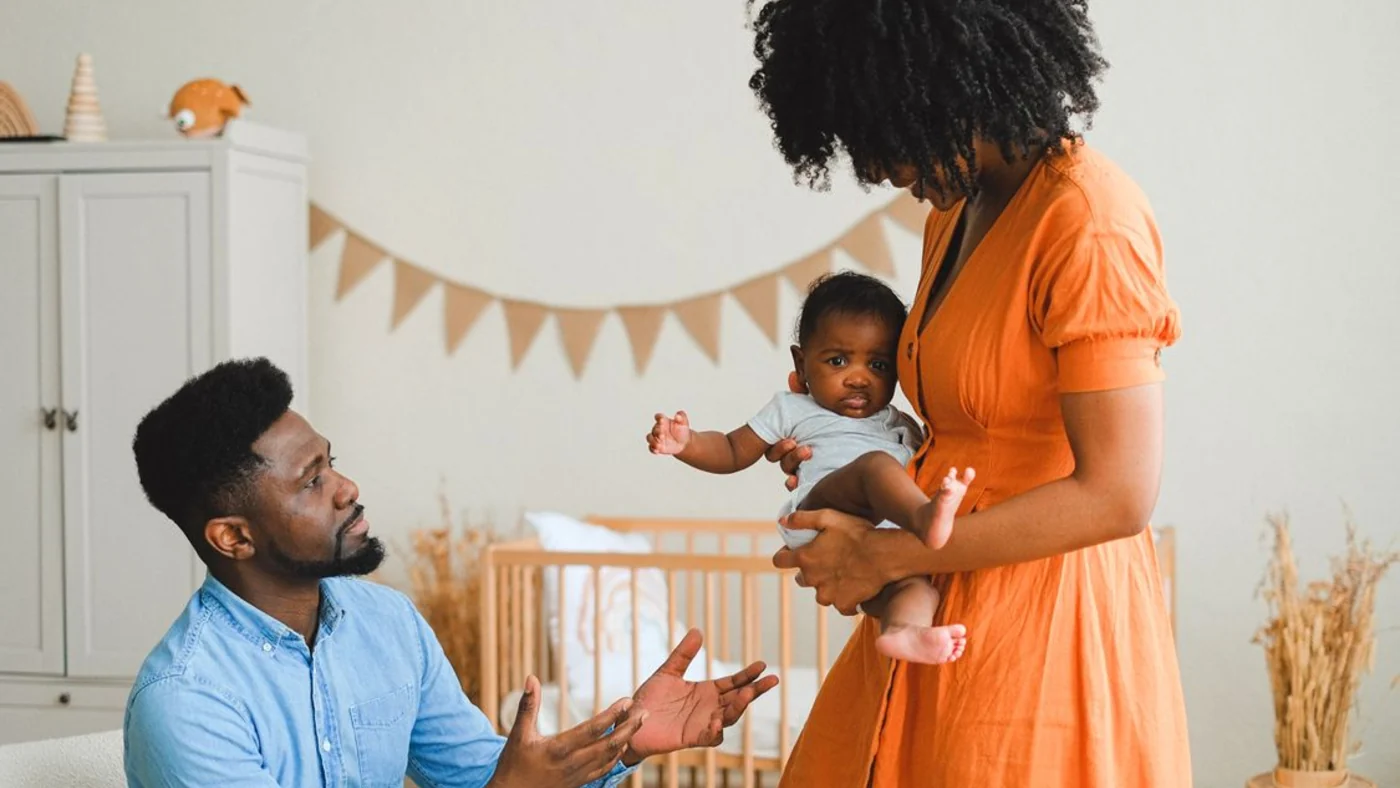
A calm way to observe context, cues, and transitions when a nap becomes a struggle in the middle of the day.
One refused nap does not explain the cause
The same behavior can have different contexts on different days. A later wake-up, a difficult night, hunger, discomfort, too much stimulation, or a nap transition can change the attempt.
Start by describing what happened instead of giving the behavior a clinical label. That description helps you choose a more careful next step.
From resistance to observation
Check the context
Review the wake-up, feeding, environment, and stimulation before the attempt.
Notice the cues
See whether sleep cues are present or your baby is still ready to engage.
Offer another chance
Pause, adjust the environment, and try again without rigid pressure.
Notice whether the attempt came early or late
If your baby is alert and interested in the room, the opportunity may have come early for that day. If they are very fussy or hard to settle, they may have moved through a more intense tired period.
These are observation hypotheses, not conclusions. Compare cues, time since waking, and the response to the environment across more than one day.
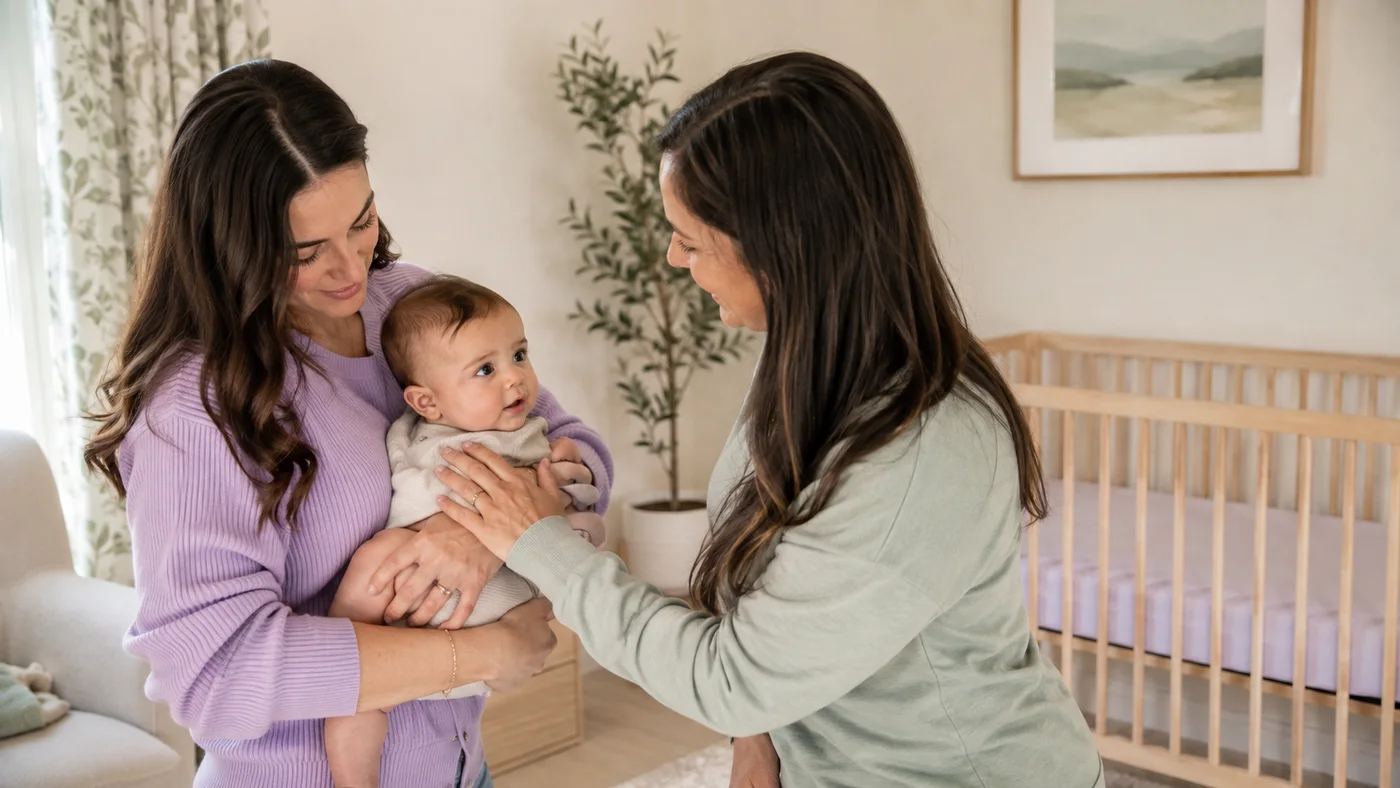
Make room for a pause
A long, tense attempt can make the moment harder. Lower light and stimulation, tend to immediate needs, and take a short pause before offering sleep again when that fits your family.
A predictable routine can help signal that rest is near, but it does not need to be perfect to be useful.
Consider transitions and patterns
An occasional refusal is different from a persistent pattern. Over a few days, note how many opportunities were refused, how wake-ups looked, and whether the rest of sleep changed.
When one nap often disappears, your family may be seeing a transition. Look at the whole pattern before reorganizing the entire day.
When to seek guidance
Speak with your pediatrician for breathing difficulty, unusual lethargy, concerns about feeding or weight gain, pain, fever, or a persistent family concern. Refusing a nap cannot identify the cause.
Separate the attempt to sleep from the sleep that happened
A child may resist an opportunity and fall asleep later. Record the settling attempt, the actual sleep start when observed, and recurring context such as travel or stimulation, without treating one episode as a pattern.
If the same sequence appears across several days, describe the repetition carefully. A log organizes questions for the family and pediatrician; it cannot identify the reason for resistance by itself.
A checklist before trying again
This sequence organizes observation; it does not require your baby to sleep.
- How long has your baby been awake, and how was the previous sleep?
- Is there hunger, discomfort, pain, fever, or another immediate need?
- Is there too much light, noise, or movement in the environment?
- Are sleep cues present, or is your baby still alert and interested?
- What changes when you pause and lower stimulation?
Frequently asked questions
- Should I keep trying until my baby sleeps?
- You do not have to turn the attempt into a struggle. Pause, adjust the environment, and offer another opportunity when it makes sense.
- How can I tell if I tried too early?
- Notice whether your baby is still alert and interested. Compare that context with cues and time awake on other days instead of deciding immediately.
- Does refusing a nap mean my baby does not need sleep?
- Not necessarily. One day does not show total sleep need. Look at the rest of the day and logs from several days.
- When should I speak with my pediatrician?
- Seek guidance for breathing difficulty, unusual lethargy, concerns about feeding or weight, pain, fever, or a persistent family concern.
- Should I log a nap attempt that did not end in sleep?
- Yes, as an attempt with context, separate from the actual sleep start. This avoids counting a pause or settling effort as a confirmed nap.
Final considerations
This content is informational and does not replace pediatric care. Nap resistance can have different contexts and does not by itself indicate a condition or a need for treatment.
References
- Brazilian Society of Pediatrics, Children's sleepInstitutional reference on children's sleep and development.
- American Academy of Pediatrics, guide to safe sleepGuidance on safe sleep practices, not a substitute for individual care.