Baby sleep
Baby sleep: less comparison, more clarity for your family
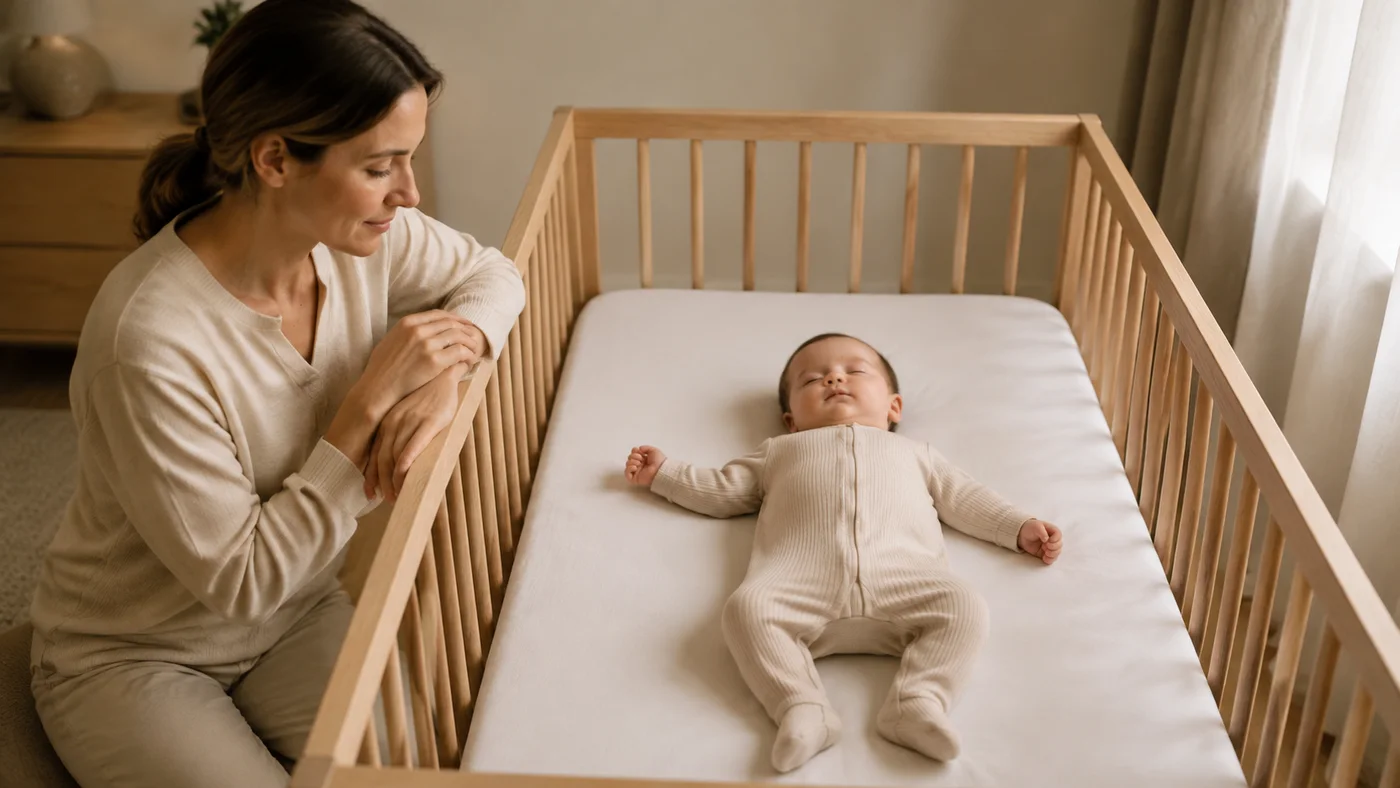
A practical guide to observing your routine, organizing naps, and finding more clarity in the real day.
What to observe in your baby's routine
Look at the whole picture: when your baby wakes, when they nap, how long they stay awake, and how the night unfolds. A simple log turns a day that felt chaotic into useful information for whatever comes next.
From logging to a routine
Baby profile
Start with your baby's profile and the rhythm already present in your day.
Day logs
Note wake-ups, naps, and the time your baby spends awake.
Personal routine
Use what happened to adjust the next moments.
Why a routine needs to be personal
Age is an important starting point, but it is not a rulebook. Two babies the same age can have very different days. A good routine starts with your baby's profile, follows what happened today, and adjusts when a nap changes.
How to adjust gently
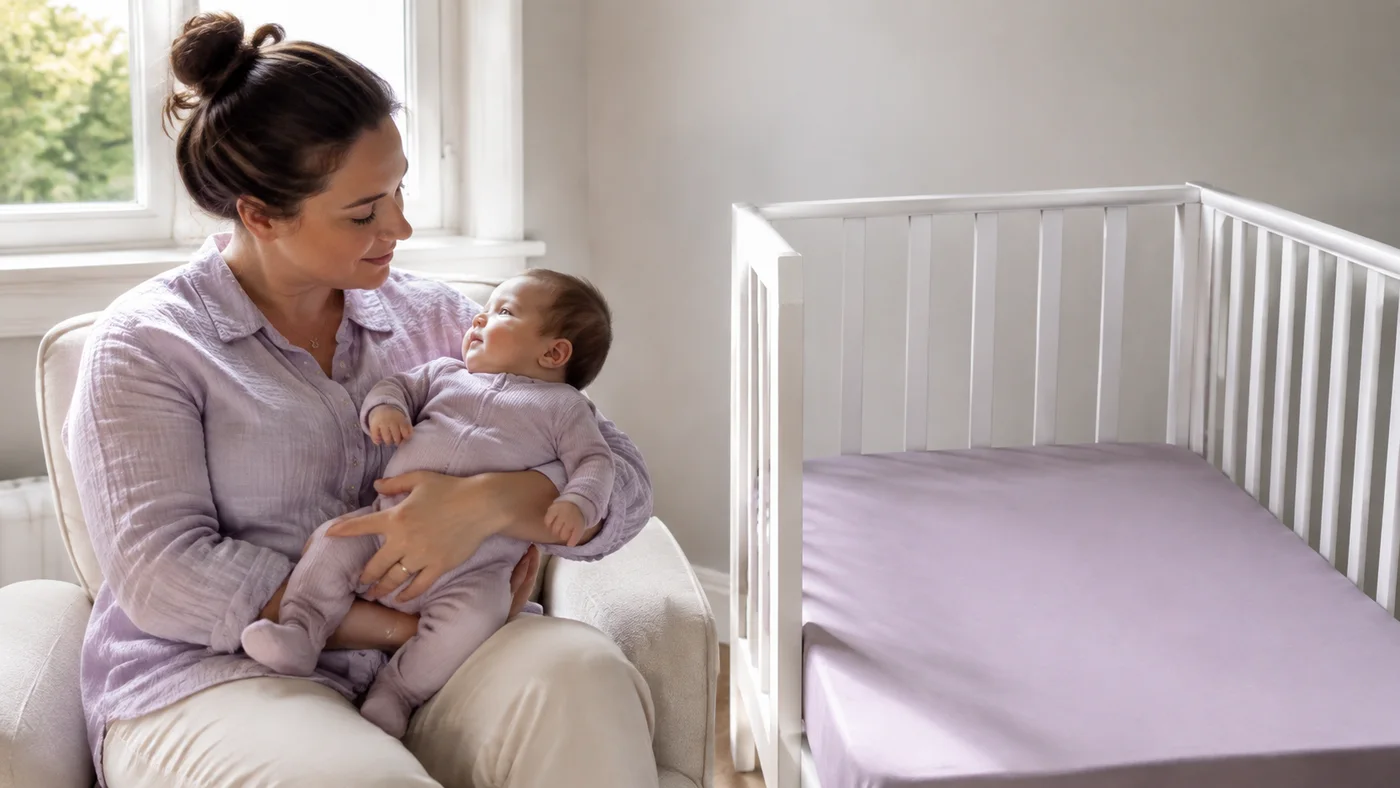
Make one change at a time and notice the response before drawing new conclusions. A useful routine leaves room for feeding, comfort, sleep cues, and days that do not go as planned.
How Sonequinha helps
Sonequinha organizes logs, calculates the next wake windows from the first morning wake-up, and recalculates the rest of the day. The more you use it, the more closely the routine reflects your family's rhythm.
A checklist to start logging
Choose what you can observe in your day, without aiming for a perfect log.
- The first wake-up and later wake-ups.
- The start and end of each nap.
- Time awake and cues noticed before sleep.
- How your baby woke and how they reached bedtime.
Frequently asked questions
- Do I need to follow a fixed routine?
- No. A routine can add predictability, but it should follow your baby and the real day, with room for variation.
- What should I log first?
- Start with wake-ups, naps, time awake, and how your baby wakes. Those details already help you see the whole picture.
- Does an age table work for every baby?
- No. Age is a starting reference, not an individual rule. Combine it with cues and your baby's logs.
- When should I seek pediatric guidance?
- Seek guidance for breathing difficulty, unusual lethargy, concerns about feeding or weight, pain, fever, or a persistent family concern.
Final considerations
This content is informational and does not replace pediatric care. Observing the routine can organize the day, but it cannot diagnose problems or promise nights without wake-ups.
References
- Brazilian Society of Pediatrics, Children's sleepInstitutional reference on children's sleep and development.
- American Academy of Sleep Medicine, child sleep duration recommendationsRecommendation for total sleep duration across 24 hours, including naps.