Baby routine
Baby sleep routine: predictability without making the day rigid

Learn how to turn what you observe during the day into a flexible, predictable routine that fits your baby.
What a sleep routine means
A routine is a set of reference points, not a promise to the clock. Your baby can become familiar with the order of care even when the time or length of sleep changes.
It also needs to fit your family. A short sequence that people can repeat is usually more helpful than a perfect plan no one can maintain.
From observation to routine
Log what happens
Note wake-ups, naps, feeding, and cues you notice before sleep.
Choose a sequence
Repeat simple, realistic steps that signal each chance to rest.
Adjust calmly
Notice the response and adapt the next moment instead of fixing the whole day.
How to build a sequence that works
Choose cues that make sense for you: lower the stimulation, change the diaper, feed when appropriate, dim the room, or sing. The goal is familiarity, not a formula that forces sleep.
At night, a predictable order can help separate play from rest. During the day, keep the same idea while accepting that outings and basic needs are part of the routine too.
Read changes before changing everything
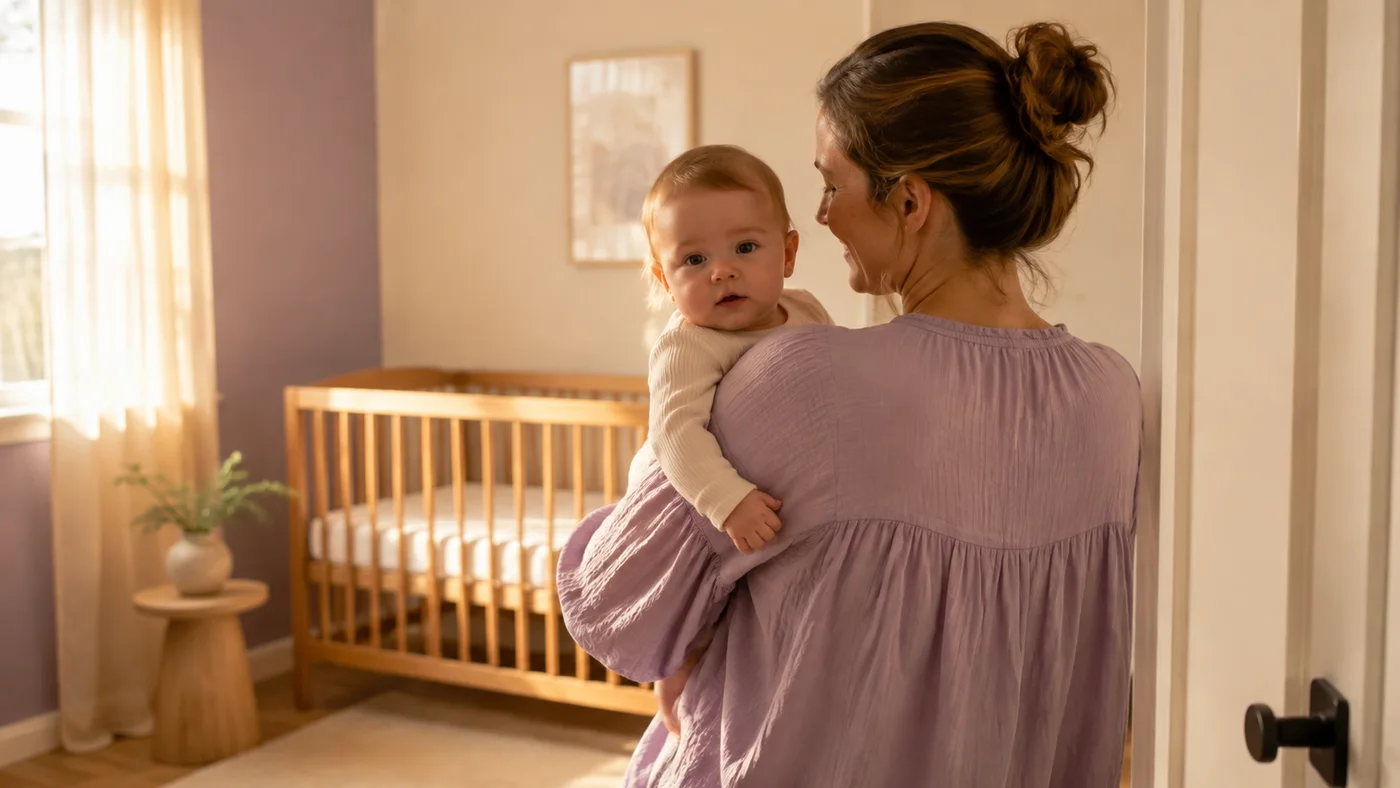
One short nap, an early wake-up, or a different night does not prove the routine failed. Look at several days and consider feeding, health, the environment, and development.
If something changes, alter one small part and observe. Logging the response helps you avoid changing many variables at once and spot a passing variation versus a pattern.
Where Sonequinha can help
Sonequinha organizes your baby's logs, calculates the next moments from the first wake-up, and recalculates the rest of the day when you log a nap. Over time, it learns from the recorded rhythm so the routine can follow what happened instead of requiring manual math.
Routine and safe sleep belong together
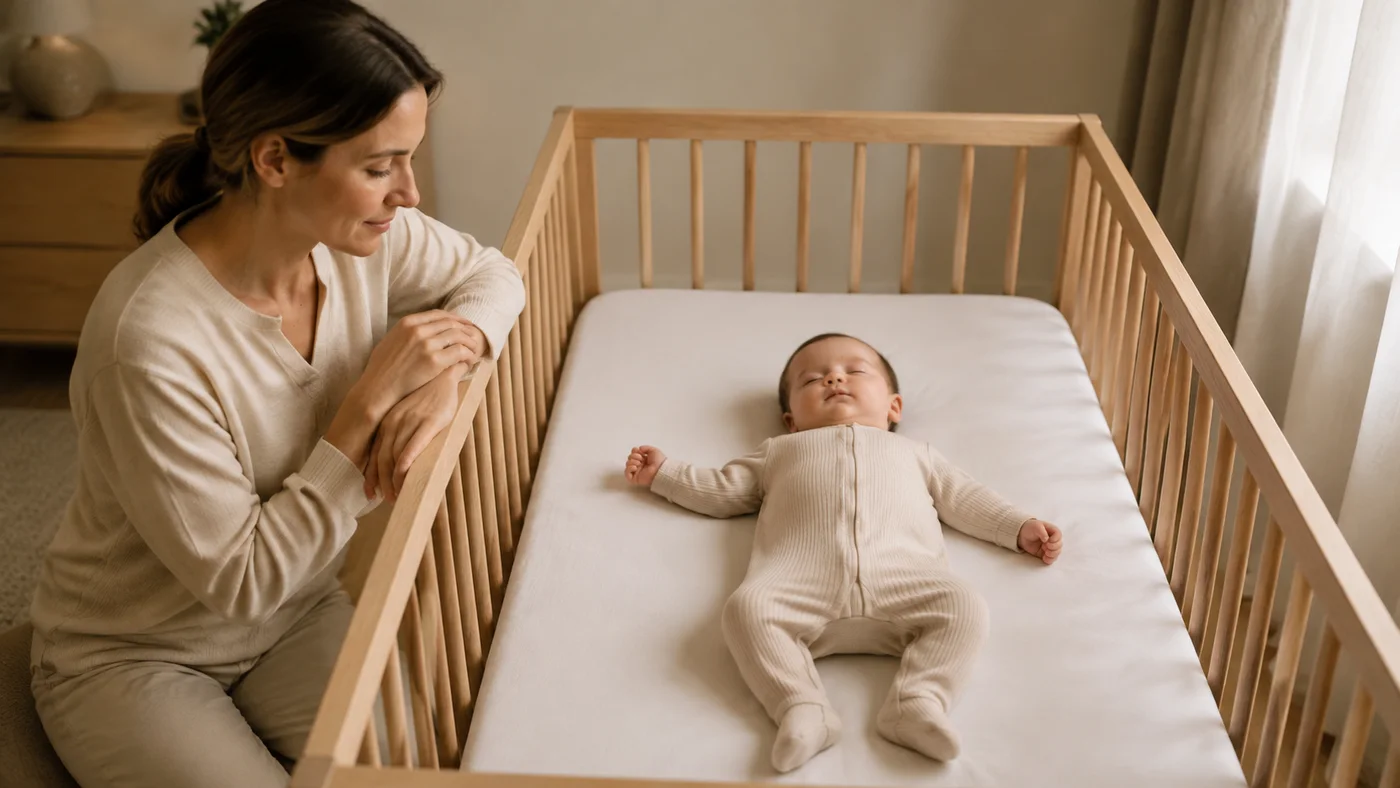
A predictable sequence does not replace safe sleep care. Keep the sleep environment and position aligned with your pediatrician's guidance and institutional sources, especially in the early months.
An example of a flexible sequence
- NoticeObserve the wake-up, time awake, and your baby's cues.
- PrepareLower stimulation and repeat the care that fits the moment.
- OfferOffer a chance to sleep without turning the clock into a target.
- ReviewLog the result and use it to guide the next moment.
Frequently asked questions
- When should I start a routine?
- You can observe and repeat sequences early on while responding to your baby's needs. There is no single right age or starting time.
- Does a routine need exact times?
- No. Times can provide reference points, but sleep length, feeding, and your baby's cues make days vary.
- What if an outing changes the day?
- Return to the next sequence that is realistic and log what happened. One different day does not require rebuilding the whole routine.
- When should I contact a pediatrician?
- Seek guidance for breathing difficulty, unusual sleepiness, pain, fever, concerns about feeding or weight, or a persistent family concern.
Final considerations
This content is informational and does not replace pediatric care. A routine can support organization, but it cannot diagnose sleep difficulties or guarantee a sleep pattern.
References
- Brazilian Society of Pediatrics, How to help my child sleep betterInstitutional guidance on prevention and habits that support children's sleep.
- Brazilian Society of Pediatrics, Sleep hygieneScientific document on conditions and habits related to sleep.
- American Academy of Pediatrics, predictable routinesExample of a predictable sequence to help a child get ready for sleep.
- NHS, helping your baby to sleepPublic information on sleep, the sleep environment, and variation in the first year.